
Blog

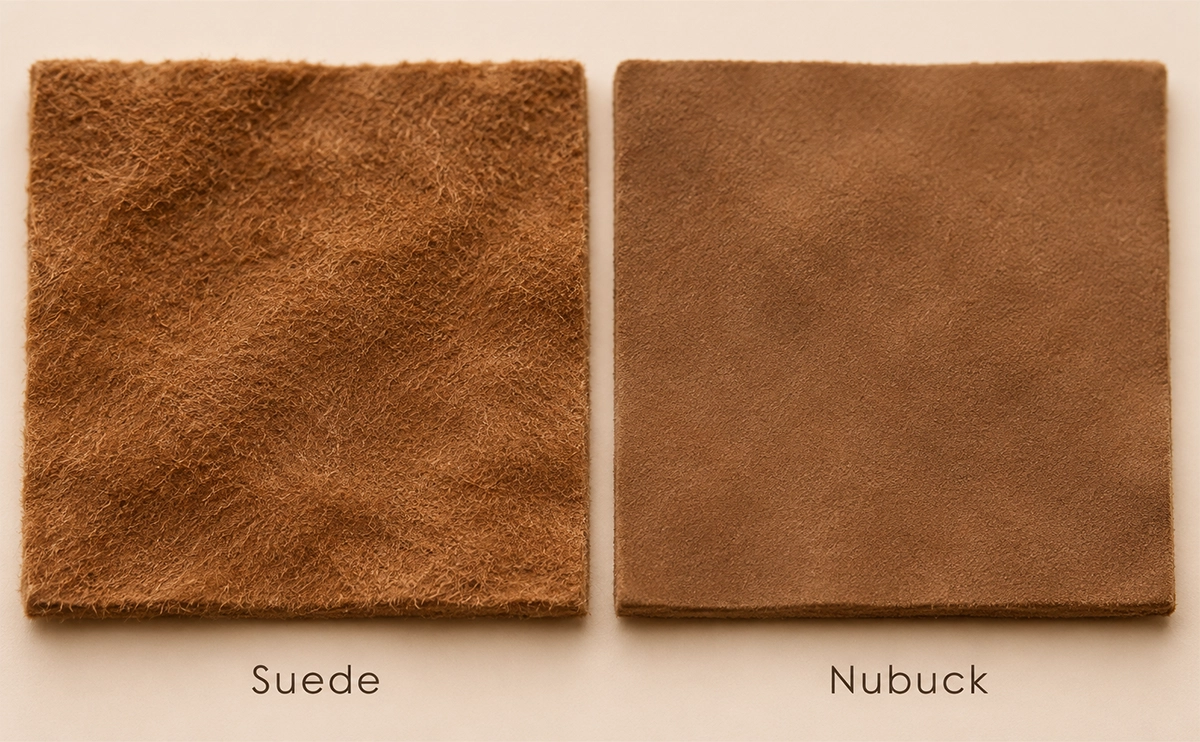
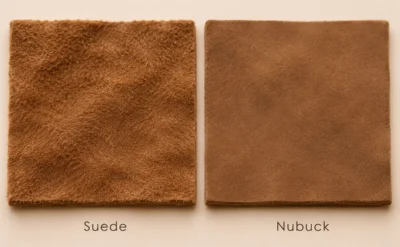
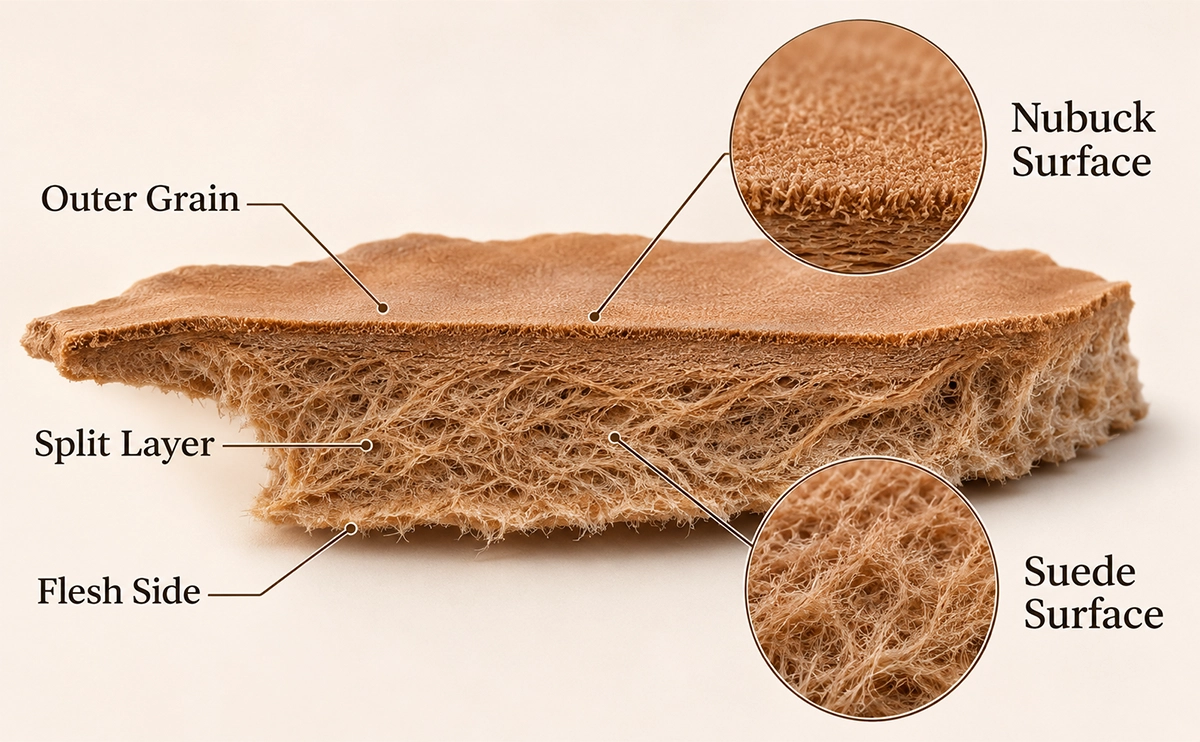
Suede and nubuck are both genuine leathers with a soft, napped surface, but they are usually made from different surfaces of the hide. Suede is typically associated with the inner (flesh) side of a hide or with split layers, while nubuck is usually created by lightly sanding or buffing the outer grain surface. Because of this, nubuck often retains more grain structure, although the two can look and feel very similar at first glance.
So if you have wondered whether nubuck is suede, the short answer is: not quite. This guide compares construction, texture, durability, water sensitivity, care and jacket use, so you can decide which suits you better.
Suede vs Nubuck: Quick Comparison
| Feature | Suede | Nubuck |
| Typical surface | Flesh side or split layer | Outer grain surface, lightly sanded |
| Texture | Soft, fuzzy, napped | Fine, short, velvety nap |
| Feel | Often softer and more pliable | Often denser and finer |
| Grain structure | Less visible | More retained |
| Durability | Good, but the surface can be sensitive | Often more abrasion-resistant |
| Water sensitivity | High | High |
| Care | Suede-specific products | Nubuck-specific products |
| Jacket use | Common | Less common, but suitable |
These are general tendencies. Actual results depend on the hide, thickness, tanning and finishing.
What Is Suede?
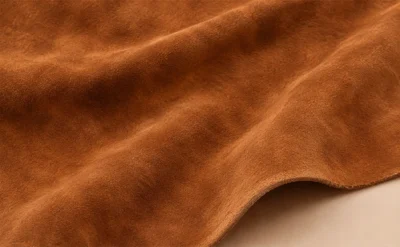
Genuine suede is real leather with a fibrous, napped surface. It is typically made from the flesh side of a hide or from a split portion, which is the layer left after the outer grain is separated. The exposed fibers give suede its soft, matte look and its slightly fuzzy feel.
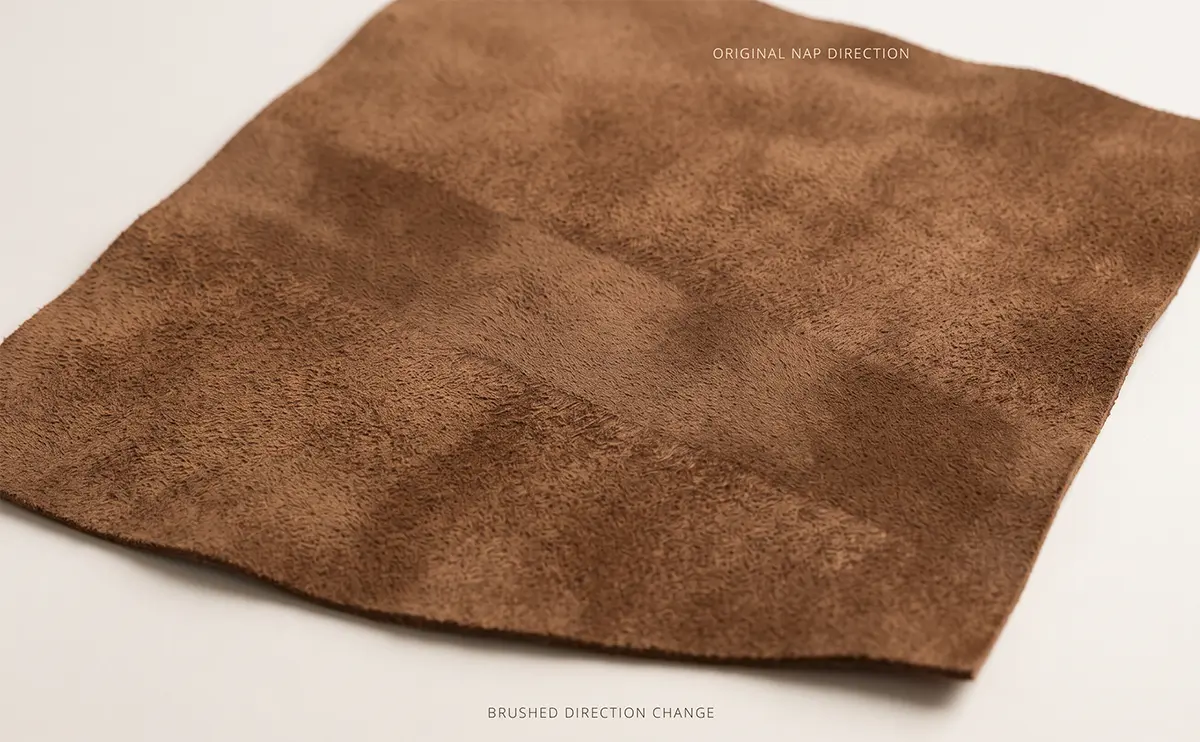
Because the nap is made of fine fibers, it can show directional shading. Brushing or rubbing the surface may lighten or darken it, which is part of why suede looks so tactile. Suede is also found in many weights, from lightweight, drapey pieces to thicker, sturdier ones.
For a deeper explanation of how suede is made, why it has a nap, and how it wears over time, see our What Is Suede Leather? guide.
What Is Nubuck?
Nubuck is also genuine leather. It is typically made by lightly sanding or buffing the outer grain surface of a hide, which raises a short, fine nap. Because the work is done on the grain side, nubuck generally keeps more of the original grain structure than suede does.
The result is a velvety surface that can look very close to suede, even though it starts from a different part of the hide. Not every nubuck product is made in exactly the same way, and the depth of sanding, the tanning method and any finishing can all change how it looks and feels.
You will often see nubuck leather used in boots, shoes, bags and some outerwear, where its finer surface is valued.
What Is the Main Difference Between Suede and Nubuck?
The main suede and nubuck difference is surface construction. Suede is typically made from the flesh side or a split layer, where loose fibers form the nap. Nubuck is typically made from the outer grain side, which is sanded just enough to create a fine nap while keeping more of the grain structure beneath it.
In practice, that affects fiber exposure and nap character. Suede fibers are generally more open, while nubuck fibers tend to sit in a tighter, denser surface.
It is not simply a question of softness. High-quality suede and nubuck can look nearly identical, so appearance alone can be misleading. If a product description does not say which one it is, the maker or retailer is the most reliable source.
Which Is Softer: Suede or Nubuck?
Suede is often perceived as softer and more pliable, which is one reason it is popular for drapey jackets. Nubuck can also feel very soft, but its nap is often finer and denser, so it may feel smoother or slightly more substantial under the hand.
Neither result is guaranteed. Softness depends on the hide species, thickness, tanning, how much sanding was done and the finishing. A thin, supple nubuck can feel softer than a thick, firm suede, so it is better to judge a specific piece than to rely on the material name alone.
Which Has a Finer Nap?
This is where the two are most often confused. Suede texture tends to be more open and fuzzy, with longer, softer fibers that move easily when brushed. Nubuck texture is often shorter, finer and more uniform, giving a smoother, more velvety look.
Both surfaces respond to brushing direction. Running a hand one way can darken or lighten the nap, and that effect can appear on suede and nubuck alike. Because a fine suede and a coarse nubuck can overlap in appearance, nap alone is not a dependable way to tell them apart, which is why shoppers often assume the two are the same material.
Which Is More Durable: Suede or Nubuck?
Nubuck durability is often described as a strength because the outer grain layer is largely retained, and that layer can resist surface abrasion better than many suede types. Suede is also a capable jacket material, but its exposed fibers can scuff, flatten or mark more readily at the surface.
That does not make nubuck always stronger or suede weak. Several factors matter more than the name:
- Hide species and quality
- Thickness and weight
- Tanning and finishing
- Jacket construction, including stitching and lining
It also helps to separate surface wear from structural durability. A suede jacket can show cosmetic wear in contact areas while remaining structurally sound for years, and a nubuck jacket can do the same. Both reward sensible care.
Which Handles Water Better?
On suede vs nubuck water resistance, neither material should be assumed waterproof. Both are napped surfaces that can absorb moisture, darken when wet and change in texture as they dry. Water can also flatten or stiffen the nap, and spots may remain visible afterward.
Protector sprays made for suede and nubuck may help reduce the risk of marks and moisture uptake, but they do not make either material fully waterproof. Real-world behavior also depends on the finishing and any treatment applied at the factory, so one jacket may handle light drizzle better than another.
If you expect to wear your jacket in unpredictable weather, our guide on Can Suede Jackets Get Wet? explains what to expect and what to do if it happens.
Which Is Easier to Clean and Maintain?
In the suede vs nubuck care comparison, the basic principles are similar. For both materials:
- Use a soft brush or a suede and nubuck brush to lift the nap and remove dust
- Avoid standard smooth-leather creams and polishes unless the product is specifically approved for napped leather
- Keep moisture away and let damp items dry naturally, away from direct heat
- Choose material-specific products and check that they are compatible with your jacket
Nubuck’s finer nap can sometimes show marks differently from suede’s more open nap, but neither is automatically easier to look after. Dark or heavily dyed items may also show different wear patterns than light ones.
For suede-specific routines, read our guide on How to Care for a Suede Jacket. If you own nubuck, check the maker’s care label first.
How Do Suede and Nubuck Age?
Suede commonly shows:
- Nap flattening in areas of regular contact, such as cuffs, elbows and pockets
- Darker or burnished patches where the surface is handled
- Tonal variation across the jacket
Nubuck commonly shows:
- Smoothing in high-contact areas
- Gradual darkening or tonal changes
- Fine nap flattening where it rubs
These changes can add character, and many owners like them. Heavy staining, water marks and ground-in dirt are different: they are damage rather than graceful aging, and should not automatically be treated as desirable. Regular brushing and sensible storage help both materials age more evenly.
Suede vs Nubuck for Jackets
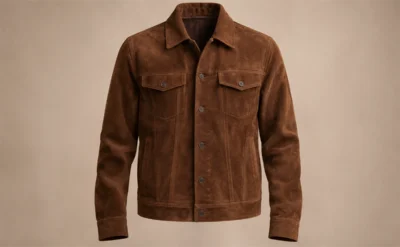
A suede jacket is the more familiar choice. Suede is often chosen for its softness, drape and matte appearance, and it suits bomber, biker, trucker and overshirt styles well. If you are new to the material, our Complete Suede Jacket Guide covers styles, fit and care in more detail.
A nubuck jacket is less common, but it can be a good fit. It may offer a finer surface, slightly more grain structure and a refined matte look. Depending on the hide, it can also feel somewhat more substantial than a comparable suede.
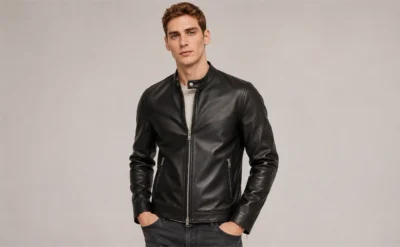
In general, suede is more common in fashion jackets, while nubuck can work well in premium casual outerwear. Neither is automatically superior. The hide, thickness, cut and lining usually shape how a jacket wears more than the name on the label. If you are also weighing suede against smooth leather, see Suede vs Leather Jacket.
Which Should You Choose: Suede or Nubuck?
Choose suede if you prefer:
- A softer feel
- A more relaxed drape
- The familiar suede texture
- Classic suede bomber or biker styling
Choose nubuck if you prefer:
- A finer nap
- More visible grain structure
- A slightly denser surface feel
- A more refined matte finish
The better choice depends on your texture preference, the jacket’s construction, your climate, how much maintenance you are comfortable with and what is actually available in the style you want. A well-made jacket in either material will usually serve you better than a poorly made one in the “better” material.
Shop Suede Jackets
If you prefer the softer, classic napped character of suede, explore our Suede Jackets collection to compare available styles and colors.
FAQ’s
No. Both are napped genuine leathers, but suede is typically made from the flesh side or a split layer, while nubuck is typically made by lightly sanding the outer grain surface. They can look similar, which is why the two are often confused.
Suede is often perceived as softer and more pliable, while nubuck often has a finer, denser nap. This varies with the hide, thickness, tanning and finishing, so individual pieces can differ from these general tendencies.
Nubuck often resists surface abrasion better because it retains more grain structure, but neither is automatically stronger. Hide quality, thickness and construction matter, and both can last well with proper care.
Nubuck is sensitive to moisture and should not be treated as waterproof. Water can darken it and alter the nap. Protector products may help reduce the risk, but they do not make it fully waterproof, so avoid soaking it.
The central distinction is simple. Suede is generally associated with the inner, fibrous side of a hide or with split leather, while nubuck is generally created by lightly sanding the outer grain surface. Both have a soft, napped appearance, but they can differ in grain structure, feel and wear.