
Blog
The Complete Bomber Jacket Guide: History, Types, Materials & Styling


A bomber jacket is a short outer jacket derived from military flight clothing, typically characterized by a front closure, a compact length, and some combination of a ribbed collar, cuffs and waistband. Today, bombers are made in nylon, leather, suede, shearling, cotton, wool blends and many fashion-oriented fabrics.
The important thing to understand early is that “bomber jacket” is a family of related designs, not one exact jacket. A lightweight nylon MA-1, a leather A-2 and a heavy shearling B-3 all sit under the wider bomber and flight-jacket umbrella, yet they look, feel and perform very differently.
This guide explains where bomber jackets came from, how the terminology works, the main types, the materials and construction details that matter, how a bomber should fit, how warm and weatherproof they really are, and how to choose one. Where a topic deserves a deeper treatment, we point to a dedicated guide.
Quick answer — What is a bomber jacket? A bomber jacket is a short outer jacket derived from military flight clothing. Traditional versions often feature a front zipper, fitted cuffs and waistband, and a compact silhouette. Modern bombers include nylon MA-1 styles, leather flight jackets, shearling B-3 styles, suede bombers and many fashion variations.
What Is a Bomber Jacket?
A bomber jacket is a waist-length or high-hip-length jacket with a simple torso, usually closed with a front zipper, and typically finished with ribbed or structured trim at the cuffs and hem. Its design descends from garments created for military pilots and aircrew.
Common identifying characteristics include:
- Waist or high-hip length, so it does not interfere with a seated position
- Front zip closure
- Ribbed or structured cuffs that close around the wrist
- A ribbed waistband on many designs, which gives the jacket its slightly blousy shape
- Simple torso construction with little excess detail
- Functional pockets, often at the sides, and sometimes on the sleeve
- A relatively compact silhouette
Not every bomber has every feature. A B-3 does not look like an MA-1. Leather bombers may use shirt-style collars instead of ribbed ones. Fashion bombers regularly depart from their military originals with different lengths, fabrics and trims. The best way to think of the bomber is as a recognizable silhouette and heritage, rather than a strict checklist.
Why Is It Called a Bomber Jacket?
It is called a bomber jacket because of its connection to military aviation, and in particular to the clothing worn by aircrew, including crews of bomber aircraft.
Early military aircraft often had open or poorly heated cockpits, and crews flying at altitude faced severe cold. Aircrew needed clothing that was warm, durable and allowed freedom of movement in tight, busy spaces. Short jackets worked well: they kept the torso warm without getting in the way of seating, controls or equipment, and snug cuffs and waistbands helped keep cold air out.
The “bomber” label is a popular name that attached itself to this style of short flight jacket over time. It does not mean that one specific jacket was issued to one specific group of aircrew. As these garments moved into civilian life, the name stuck to the general silhouette, and today it is used far more broadly than any single military specification.
History of the Bomber Jacket
The modern bomber jacket did not come from a single design. It evolved from several military flight garments developed for pilots, and each contributed something to what people now call a bomber.
Early Military Flight Jackets
In the early decades of powered flight, pilots often flew in open cockpits and relied on heavy coats, leather clothing and fur or wool linings. The priorities were warmth, mobility and durability, and the earliest purpose-built flight garments reflected that. These early designs set the template for short, practical, protective outerwear for aircrew.
The A-2 Era
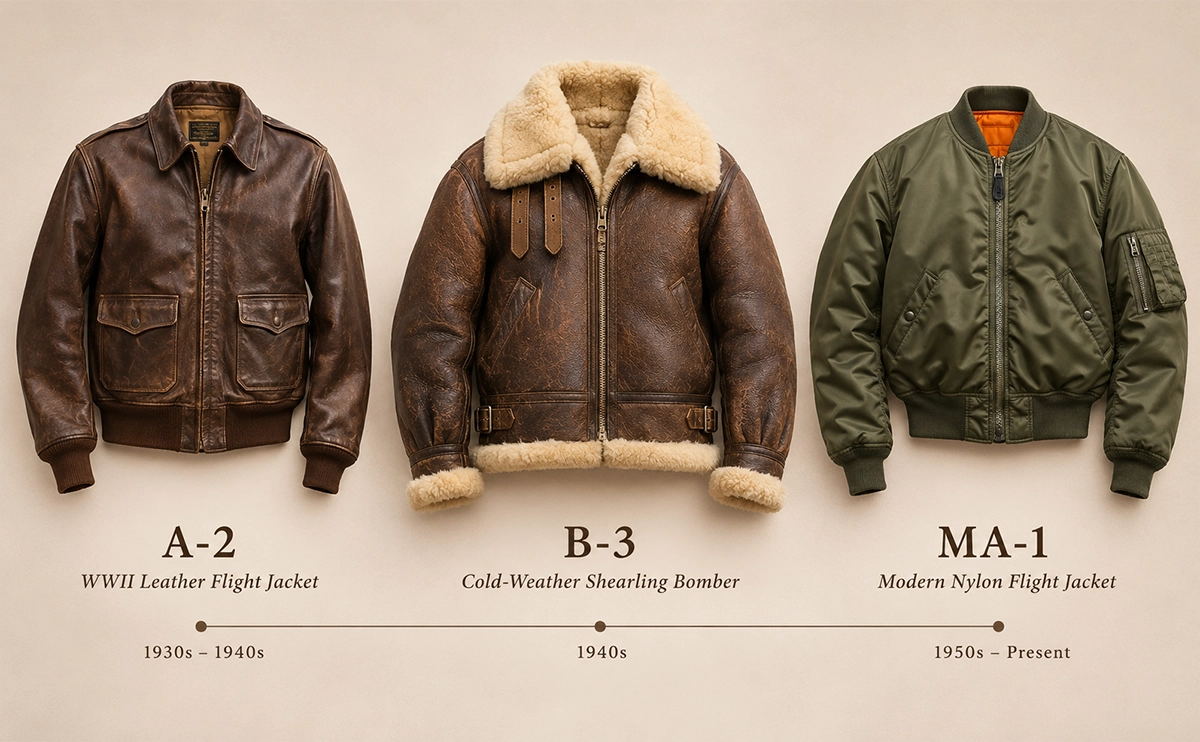
The A-2 is a leather flight jacket associated with United States military aviation, with its origins in the period between the world wars. It is typically described as having a leather shell, a shirt-style collar, a front zipper, and knit cuffs and waistband. It established the leather flight jacket as a lasting icon and remains a reference point for many leather bomber designs today.
The B-3 Era
The B-3 is a heavy shearling jacket associated with cold, high-altitude flying, particularly with bomber crews during the Second World War. It uses sheepskin with the wool left on the inside, giving substantial insulation, and typically has a large collar. Its look and purpose differ significantly from the A-2 and, later, the MA-1.
The MA-1 Era
The MA-1 came later, in the postwar jet era, and reflected a shift toward synthetic materials. It is a nylon flight jacket associated with the use of flight nylon, which is lighter than leather and shearling and could be produced in volume. It features a ribbed collar, cuffs and hem and a streamlined silhouette. Importantly, the MA-1 is not the first bomber jacket; it is one later chapter in a longer story, and it should not be treated as the origin of the category.
Civilian Adoption
After military service, flight jackets spread into civilian life, appearing as surplus workwear and practical outerwear. Over the following decades they were taken up by youth subcultures and later by streetwear and mainstream fashion, which helped change the bomber from a piece of military equipment into a general-purpose wardrobe item.
The Modern Bomber Jacket
Today’s bomber describes a silhouette more than a specification. It appears in slim, regular and oversized fits, in nylon, leather, suede, shearling, cotton and wool blends, and in styles ranging from faithful heritage reproductions to luxury and fashion reinterpretations.
Bomber Jacket vs Flight Jacket: Are They the Same?
Not exactly. “Flight jacket” is the broader, function-based and historical category: jackets made for aircrew. “Bomber jacket” is the popular name most often applied to several short, flight-derived silhouettes.
Many bombers are flight-inspired, but not every historical flight jacket looks like what most people picture as a bomber. The MA-1, A-2 and B-3 are three different flight garments with different materials, collars and looks, and all three are commonly discussed under the bomber umbrella.
In practice the two terms overlap heavily, but they are not perfect synonyms. A useful rule of thumb: if you are describing military function and history, “flight jacket” is usually more precise; if you are describing the everyday short, zip-front silhouette, “bomber” is the common term.
Bomber Jacket vs Aviator Jacket
“Aviator jacket” is a looser term, used more in fashion and retail than in military or historical contexts. It tends to suggest:
- leather construction
- shearling collars or linings
- flight-inspired styling
- pilot heritage
“Bomber jacket” more often refers broadly to short, flight-derived jackets, in any material. The two overlap: a leather jacket with a shearling collar may be sold as an aviator jacket, a bomber, or both. There is no single universal retail definition, so it is worth checking the product description, material and construction rather than relying on the label alone.
Anatomy of a Bomber Jacket
Understanding the parts of a bomber helps you judge quality and compare styles.

Collar. Options include rib-knit collars (typical of MA-1 styles), shirt-style collars (typical of A-2 styles), wide shearling collars (typical of B-3 styles) and simple stand collars on minimalist designs.
Front closure. Usually a zipper, though snap and button versions exist, particularly in varsity-inspired designs.
Cuffs. Often ribbed, helping the sleeve sit snugly at the wrist and limiting wind entry.
Waistband. Frequently ribbed, creating the characteristic gathered hem.
Pockets. Side pockets are common; flap pockets and a utility pocket on the sleeve appear on many MA-1-style designs.
Lining. May be lightweight, insulated, quilted or shearling, and has a major effect on warmth.
Shell. Nylon, leather, suede, cotton, wool blends or other synthetics, each with its own feel and performance.
Major Types of Bomber Jackets
MA-1 Bomber Jacket
The MA-1 is the style most people mean when they say “bomber” in a modern, casual context. It is associated with military flight heritage and a nylon shell, with a ribbed collar, cuffs and hem, a zip front, and a streamlined silhouette. Many versions include a utility pocket on the sleeve.
- Typical material: nylon
- Fit: from slim to oversized in modern versions
- Warmth: light to moderate, depending on lining
- Best use: layering, transitional weather, casual and streetwear looks
- Aesthetic: military-inspired, clean, versatile
Modern fashion versions vary widely in color, finish and fit, and not all use military-style materials or specifications.
Deeper dive: [Future Internal Link: What Is an MA-1 Bomber Jacket?]
[Image 4: MA-1 bomber jacket]
B-3 Bomber Jacket
The B-3 is a heavy shearling jacket from the cold-weather side of aviation heritage. It has thick wool-on-sheepskin construction, a wide collar and a bulky silhouette, and it is intended for serious cold.
- Typical material: shearling
- Fit: roomy and substantial
- Warmth: high
- Best use: winter wear
- Aesthetic: rugged, heritage, aviation
The B-3 looks substantially different from an MA-1, and it should not be described as a nylon bomber.
Deeper dive: [Future Internal Link: B-3 Bomber Jacket Guide]
[Image 6: B-3 shearling bomber]
A-2 Flight Jacket
The A-2 is a leather flight jacket with a shirt-style collar, knit cuffs and waistband, and a clean, simple leather silhouette. It is a military aviation icon, and it is often grouped into bomber and flight-jacket discussions because it shares the short, zip-front, banded-hem shape, even though it is a distinct design.
- Typical material: leather
- Fit: regular, relatively clean
- Warmth: moderate
- Best use: year-round casual wear in mild to cool weather
- Aesthetic: heritage, refined-rugged
[Image 5: A-2 leather flight jacket]
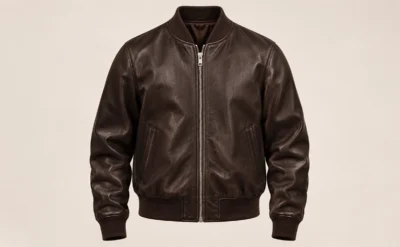
Leather Bomber Jacket
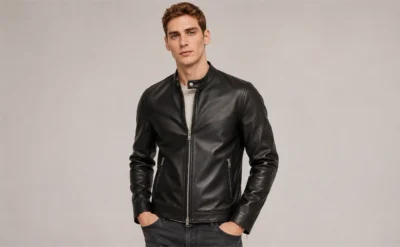
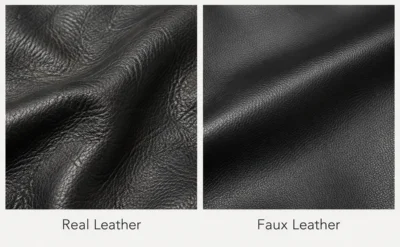
Modern leather bombers draw on A-2 heritage and on general leather-jacket construction. Common leathers include cowhide, lambskin, goatskin and sheepskin, each with a different weight and feel. Compared with nylon, leather bombers tend to be:
- more structured
- heavier
- visibly aging with wear
- versatile across casual styles
Explore: [Internal Link: Leather Jackets] · [Internal Link: Cowhide vs Lambskin Leather Jackets]
[Image 7: Leather bomber jacket]
Shearling Bomber Jacket
A shearling bomber has a natural insulating layer of wool on the inside. It delivers warmth, volume and a strong winter character, and carries clear aviator associations. B-3 styles are a specific kind of shearling flight jacket, while “shearling bomber” is a broader retail term that may cover shorter or more modern designs.
Suede Bomber Jacket
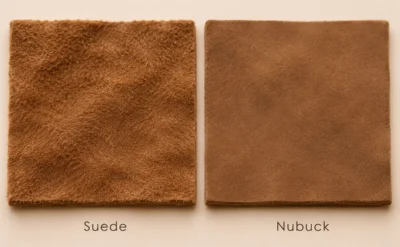
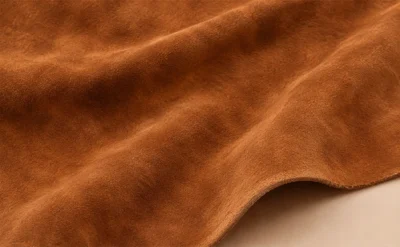
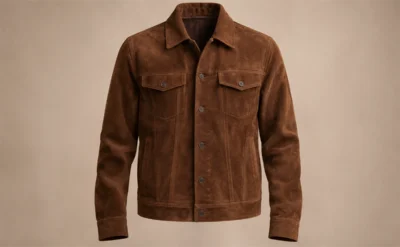
Suede offers a softer, more textured look than smooth leather and tends to read as refined casual rather than rugged. It needs more careful care, particularly around moisture and stains.
Explore: [Internal Link: Suede Jackets]
[Image 9: Suede bomber jacket]
Nylon Bomber Jacket
Nylon bombers are light, easy to layer and well suited to mild weather. They are the form most associated with the MA-1 silhouette. Note that “flight nylon” refers to a specific heritage, and not every nylon bomber uses military-specification material; many are simply nylon or polyester fashion jackets styled after the original.
[Image 8: Nylon bomber jacket]
Varsity-Inspired Bomber Jackets
Some retail designs blend the bomber silhouette with varsity details such as color blocking, contrast sleeves, snap closures and ribbed trim. These hybrids sit between the two categories, which is why the next comparison matters: a varsity jacket and a bomber are not automatically the same thing.
What Materials Are Bomber Jackets Made From?
| Material | Feel | Weight | Warmth | Typical Look |
| Nylon | Smooth | Light | Low–moderate | Military / casual |
| Leather | Structured | Moderate–heavy | Moderate | Rugged / refined |
| Suede | Soft | Moderate | Moderate | Refined / casual |
| Shearling | Plush | Heavy | High | Aviation / winter |
| Cotton | Soft | Light–moderate | Low–moderate | Casual |
| Wool blend | Textured | Moderate | Moderate–high | Smart casual |
Warmth depends heavily on lining, insulation, thickness and construction, not on the shell alone.
Which bomber jacket material is best? There is no single best material. Nylon suits lightweight versatility, leather suits durability and a more substantial look, suede suits a softer refined style, and shearling suits cold weather.
Deeper dive: [Future Internal Link: Best Bomber Jacket Materials]
Leather Bomber vs Nylon Bomber
| Factor | Leather | Nylon |
| Durability | Can last many years with care | Durable, but surface can scuff or fade |
| Weight | Heavier | Lighter |
| Texture | Structured, grainy | Smooth, technical |
| Warmth | Moderate, depends on lining | Depends on lining; often lighter |
| Aging | Develops visible character | Generally ages less visibly |
| Maintenance | Conditioning and gentle cleaning | Often simpler; follow care label |
| Weather | Not inherently waterproof | Not automatically waterproof |
| Styling | Rugged or refined | Casual, military, streetwear |
Leather tends to feel more substantial and age visibly, while nylon is generally lighter, easier to layer and more closely associated with the MA-1 silhouette. Neither is universally better; it depends on how you want to wear it.
Deeper dive: [Future Internal Link: Leather vs Nylon Bomber Jacket]
Shearling Bomber vs Standard Bomber
| Factor | Shearling Bomber | Standard (Lightweight) Bomber |
| Insulation | Natural, substantial | Light to moderate |
| Bulk | High | Low |
| Season | Cold weather | Wider range |
| Layering | Limited underneath | Easy |
| Weight | Heavy | Light |
| Appearance | Aviation, heritage | Clean, casual |
Shearling bombers are primarily cold-weather pieces. Lightweight bombers cover a broader temperature range and layer more easily.
Bomber Jacket vs Varsity Jacket
A bomber jacket comes from military aviation; a varsity jacket comes from collegiate athletics. They can look similar because both often use ribbed trim and a short, banded silhouette, but their histories and design cues differ.
| Feature | Bomber Jacket | Varsity Jacket |
| Origin | Military aviation | Collegiate athletics |
| Closure | Usually zip | Often snaps |
| Collar | Ribbed / varied | Ribbed |
| Sleeves | Usually same shell material | Often contrasting |
| Look | Flight / military / casual | Collegiate / sporty |
| Common materials | Nylon, leather, suede, shearling | Wool, leather, synthetics |
A varsity jacket may borrow bomber proportions, and some retail designs combine both, but they should not be treated as identical.
Deeper dive: [Future Internal Link: Bomber vs Varsity Jacket]
[Image 10: Bomber vs varsity comparison]
Bomber Jacket vs Puffer Jacket
The difference is one of category type. “Bomber” describes a silhouette and heritage; “puffer” primarily describes quilted, insulated construction.
| Factor | Bomber | Puffer |
| Construction | Varied, often smooth shell | Quilted, baffled insulation |
| Insulation | Depends on lining | Core feature |
| Silhouette | Short, banded hem | Often voluminous |
| Warmth | Varies widely | Generally designed for warmth |
| Bulk | Low to high | Moderate to high |
| Styling | Casual, heritage, streetwear | Sporty, utilitarian |
Some jackets combine both ideas, such as a quilted bomber, which has a bomber silhouette and puffer-style insulation.
Deeper dive: [Future Internal Link: Bomber vs Puffer Jacket]
[Image 11: Bomber vs puffer comparison]
Bomber Jacket vs Biker Jacket
A bomber has a rounder, cleaner silhouette, ribbed trim, flight heritage and a generally more relaxed fit. A biker jacket has motorcycle heritage, more hardware, an often more fitted cut and frequently an asymmetrical zip.
Explore: [Internal Link: Biker Jackets]
Bomber Jacket vs Cafe Racer Jacket
A bomber is more relaxed, commonly has a ribbed hem and carries aviation heritage. A cafe racer is streamlined, with a band collar, a straight zip, a minimal torso and typically a closer fit.
Explore: [Internal Link: Cafe Racer Jackets]
[Image 12: Bomber vs cafe racer comparison]
How Should a Bomber Jacket Fit?
A bomber should look intentional through the shoulders, have some ease through the torso, sit cleanly at the waistband, leave the hands free at the sleeve and allow comfortable movement. In general, bombers fit more relaxed than cafe racers.
There are three common fit approaches:
- Slim bomber: closer to the body, modern and tailored
- Regular bomber: balanced ease, the classic proportion
- Oversized bomber: deliberate volume, usually with dropped shoulders, associated with streetwear
[Image 13: Slim vs regular vs oversized bomber fit]
Deeper dive: [Future Internal Link: How Should a Bomber Jacket Fit?] · [Internal Link: Leather Jacket Fit Guide]
Should a Bomber Jacket Be Tight?
Usually not. A bomber should generally have some room through the torso while keeping structure through the waistband and cuffs. Modern slim bombers sit closer, but that is a style choice, and not all bombers should be baggy either.
How Long Should a Bomber Jacket Be?
Most traditional bombers finish around the waist or high hip, because of the ribbed waistband. Oversized and fashion designs may run longer. There is no single correct length; choose the proportion that suits your build and the trousers you wear most.
Are Bomber Jackets Warm?
It depends. Warmth is shaped by the shell, lining, insulation, collar, wind resistance and fit.
- Lightweight MA-1-style bomber: moderate warmth
- B-3 shearling: high warmth
- Unlined suede bomber: much lighter
Do not assume any bomber is warm by category alone; check the lining and construction.
Are Bomber Jackets Good for Winter?
Some are excellent; others are transitional jackets. Winter-friendly examples include shearling bombers, insulated leather bombers and quilted bombers. A lightweight nylon bomber is usually better for fall, spring and mild winter weather, or as a layer under a heavier coat.
Explore winter options: [Internal Link: Shearling Jackets]
Are Bomber Jackets Waterproof?
Not as a category. Water resistance depends on the material, finish, membrane, construction and the manufacturer’s specifications. Leather is not inherently waterproof, and a nylon shell does not automatically mean waterproof. If weather protection matters, look for explicit product claims and avoid assuming.
How to Style a Bomber Jacket
Casual
Bomber + T-shirt + jeans + sneakers. A reliable everyday formula.
Smart Casual
A minimal leather or suede bomber + knitwear + tailored trousers.
Streetwear
An oversized MA-1-inspired bomber + relaxed trousers + sneakers.
Heritage
A brown leather or shearling bomber + denim + boots.
Minimal
A black bomber + monochrome basics.
[Image 14 / 15: Styling examples]
Deeper dive: [Future Internal Link: How to Style a Bomber Jacket]
How Men Can Style Bomber Jackets
Bombers work with jeans, chinos, knitwear, hoodies, boots and sneakers. Material changes the effect:
- Nylon → casual / streetwear
- Leather → rugged / refined
- Suede → softer smart-casual
- Shearling → winter / heritage
Explore: [Internal Link: Men’s Bomber Jackets]
How Women Can Style Bomber Jackets
Bombers pair well with jeans, skirts, dresses, trousers, leggings and knitwear, with boots or sneakers. A cropped bomber suits high-waisted bottoms; an oversized bomber suits slim or tailored pieces for contrast; leather brings edge, and suede adds softness. There are no rigid rules; choose what fits your proportions and preferences.
Explore: [Internal Link: Women’s Bomber Jackets]
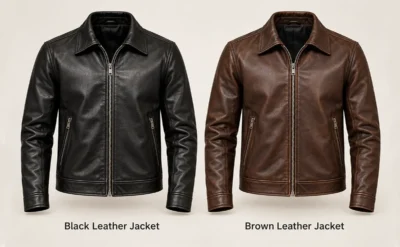
Black vs Brown Bomber Jackets
Black looks modern and sharp and is easy to wear with monochrome outfits. Brown looks warmer and more heritage-oriented and works well with denim and earth tones.
Compare further: [Internal Link: Black vs Brown Leather Jacket]
How to Choose the Right Bomber Jacket
- Decide how warm it needs to be. Light transitional wear or winter insulation.
- Choose the material. Nylon, leather, suede, shearling or another.
- Choose the fit. Slim, regular, relaxed or oversized.
- Think about your wardrobe. Minimal, heritage, streetwear or smart casual.
- Check construction. Zipper, cuffs, waistband, lining, seams and pockets.
- Consider care. Leather, suede and shearling each need different maintenance.
Best Bomber Jacket by Use Case
| Need | Consider |
| Lightweight everyday wear | Nylon bomber |
| Rugged leather look | Leather bomber |
| Cold weather | Shearling / B-3 |
| Refined casual style | Suede bomber |
| Military-inspired look | MA-1 |
| Heritage aviation look | A-2 / B-3 |
| Streetwear | Oversized MA-1-inspired bomber |
How to Tell a Good Bomber From a Poor One
Look for clean, even stitching; securely attached ribbing; a quality zipper that runs smoothly; a stable lining; symmetrical construction; material thickness appropriate to the style; reinforced pockets where needed; and cuffs that return to shape after stretching. A higher price does not automatically mean higher quality, so judge construction directly.
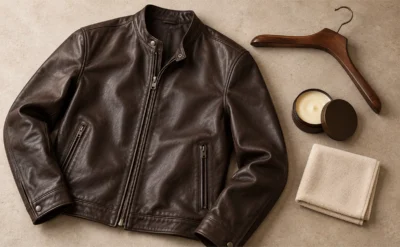
How to Care for a Bomber Jacket
- Nylon: follow the garment care label.
- Leather: clean gently and condition when appropriate.
- Suede: use suede-specific care products.
- Shearling: specialist cleaning may be appropriate.
See: [Internal Link: Leather Jacket Care Guide]
Are Bomber Jackets Still in Style?
Yes. The bomber persists because it exists in several forms: military-inspired, minimal, streetwear, heritage, luxury, leather and shearling. Its relevance comes from adaptability rather than from a single trend cycle.
Which Bomber Jacket Should You Buy?
Choose an MA-1 if you want military-inspired styling, lightweight versatility and casual or streetwear use.
Choose a leather bomber if you want a more substantial jacket, visible aging and rugged everyday style.
Choose a B-3 or shearling bomber if warmth is the priority and you like aviation and heritage styling.
Choose suede if you prefer a softer, more refined appearance.
Choose an oversized bomber if intentional volume and streetwear styling are your priorities.
First-time buyer? A regular-fit bomber in a versatile material and neutral color, black or brown leather or a dark nylon, is a flexible starting point for most wardrobes.
Final Verdict
A bomber jacket is not one exact garment but a family of short flight-derived jackets, ranging from lightweight MA-1s to leather A-2s and heavy B-3 shearling jackets. The best choice depends on climate, material, fit, styling preference and intended use.
Explore → [Internal Link: Bomber Jackets]
FAQ’s
A short outer jacket derived from military flight clothing, usually with a front zip and fitted cuffs and waistband, now made in many materials.
The name reflects its roots in military aviation clothing, including clothing worn by bomber-aircraft crews, and became a popular label for the silhouette.
Not exactly. Flight jacket is the broader, function-based category; bomber usually refers to short flight-derived silhouettes. They overlap heavily but are not perfect synonyms.
A nylon flight-jacket style with a ribbed collar, cuffs and hem and a streamlined shape, often with a sleeve utility pocket. It is a later design, not the first bomber.
A heavy shearling flight jacket designed for cold conditions, with a thick lining and wide collar.
A leather flight jacket with a shirt-style collar and knit cuffs and waistband, associated with military aviation heritage.
Usually with some room through the torso, while the cuffs and waistband stay snug. Slim and oversized versions are both valid style choices.
It depends on lining, insulation and material. Shearling bombers are very warm; lightweight nylon or unlined suede bombers are much less so.
Insulated, quilted and shearling bombers can be. Lightweight bombers suit fall, spring and mild winter weather.
Not as a category. Check the material, finish and manufacturer specifications.
Bombers originate in military aviation, varsity jackets in collegiate athletics. Varsity jackets often use snaps and contrasting sleeves; designs can overlap.
It depends on use: nylon for light versatility, leather for substance, suede for softness, shearling for cold.